
What Is a Thermoelectric Wine Cooler?
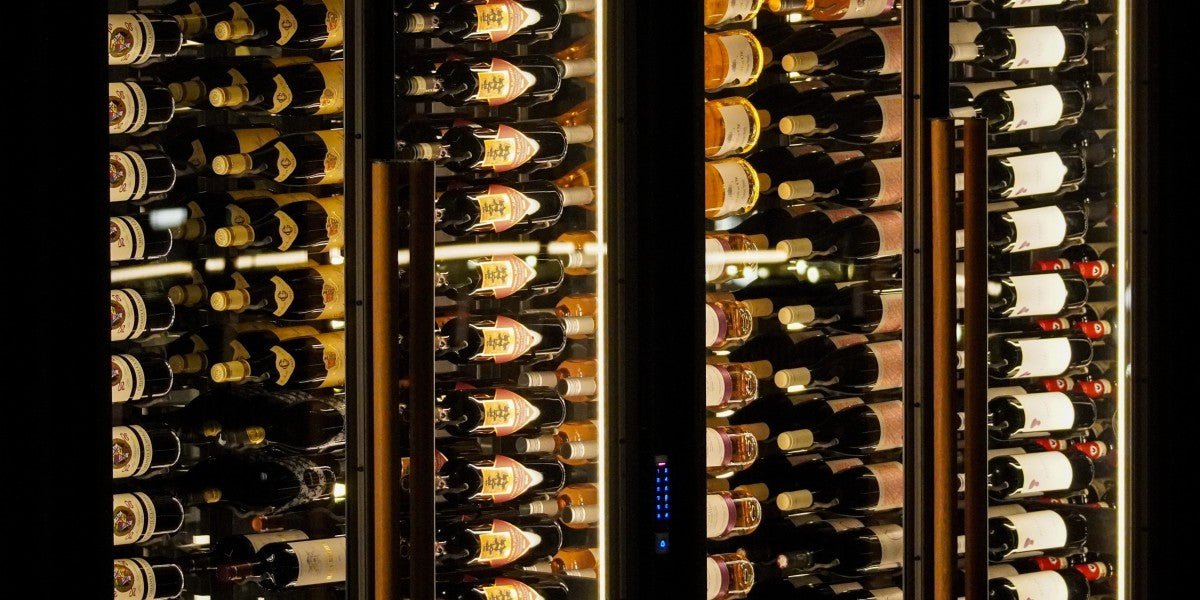
Obviously, not everyone has the space or resources to build a proper wine cellar at their home or business. However, it is possible to duplicate the unique conditions of a wine cellar by using a thermoelectric wine fridge. As the name suggests, these are specialized refrigerators made specifically for keeping wine at a stable temperature. Unlike traditional refrigerator units, however, they don’t rely on compressors to maintain a cool environment. They typically feature racks for storing bottles and UV-resistant glass doors to protect them from damaging sunlight. There are a wide range of sizes and styles available to suit practically any need, from large-scale commercial units to tabletop models for home use.How Do Thermoelectric Wine Coolers Work?
As mentioned earlier, thermoelectric wine refrigerators don’t use the same technology as the fridges found in your kitchen. Instead of using compressors and refrigerant to keep themselves cool, thermoelectric units rely on the Peltier effect. In essence, when an electric charge passes through two pieces of metal joined together, it creates what is known as a heat flux. Heat is transferred from one end of the metal to the other, meaning one side becomes cooler while the other becomes warmer. Thermoelectric wine coolers use a heat pump mechanism containing a metal rod that is electrolyzed. The end that becomes warmer is aimed at the exterior of the unit while the end that gets cooler is focused inside of it. A fan inside the refrigerator helps circulate the cool air for even distribution. In general, these units can keep wine at a temperature 10 to 12 degrees cooler than the conditions outside of it.Are Thermoelectric Wine Coolers Worth It?
If you’re serious about maintaining the quality of your wine, these coolers can be a wise investment for a number of reasons. These include:- Efficiency: Without moving parts and no need to maintain freezing temperatures, these fridges draw less electricity than compressor-based models. This means they can be added to any property without a significant increase in energy costs.
- Eco-friendliness: Because they don’t require the use of freon or other refrigerant chemicals, these wine coolers have far less impact on the environment than traditional units. Their energy-efficiency also means they consume fewer resources.
- Silence: Unlike compressor-based units, these have no motors and therefore run without making a sound. This is makes them great for use in living rooms or in fine dining establishments where they won’t spoil the atmosphere with a lot of loud humming or vibrations.