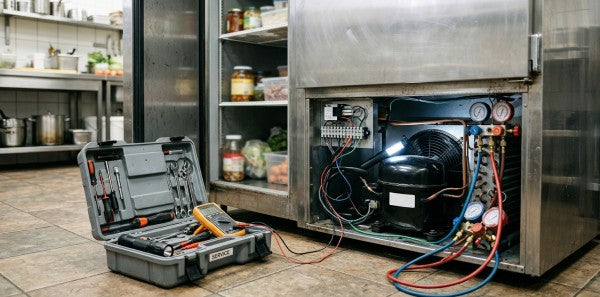

A commercial refrigerator can fail at the worst possible time, like during a busy service period or before a large event, often with a full load of inventory inside. When that happens, the first question is simple: is the repair worth paying for, or should you replace the unit?
A common planning range for a commercial refrigerator lifespan is about 10 to 15 years [1]. That's not an automatic replacement deadline, though. Actual service life depends on the refrigerator type, workload, maintenance and repair history, operating environment, and current condition of the unit.
If you're stuck on the decision between fixing a machine vs. buying a new one, you'll need to compare more than the repair estimate. You should also consider the unit's age, remaining useful life, energy use, parts availability, downtime risk, and the complete cost of a suitable replacement.
Repair or Replace a Commercial Refrigerator?
Use the table below as a starting point. A technician should still inspect the equipment before you make a final decision.
| Decision factor | Repair may make sense when | Replacement may make sense when |
|---|---|---|
| Unit age | The refrigerator is relatively new or has been reliable | The unit is older and approaching the end of its expected service life |
| Repair cost | The repair is a small portion of replacement cost | The estimate approaches half the cost of a comparable new unit |
| Compressor | The compressor is sound and the problem is isolated | The compressor has failed on an aging or deteriorated unit |
| Repair history | This is the first major failure | The unit has needed several expensive repairs |
| Cabinet condition | Doors, insulation, shelves, and interior are in good condition | Corrosion, damaged insulation, or poor seals are widespread |
| Energy use | The refrigerator operates efficiently after repair | A newer model could significantly reduce operating costs |
| Parts availability | Replacement parts are available | Parts are discontinued or difficult to source |
| Business impact | The repair can restore reliable operation quickly | Downtime, food loss, or another failure would create major risk |
What Is the Average Lifespan of a Commercial Refrigerator?
Commercial refrigerators commonly last about 10 to 15 years, although some units operate longer with proper maintenance and favorable conditions [1].
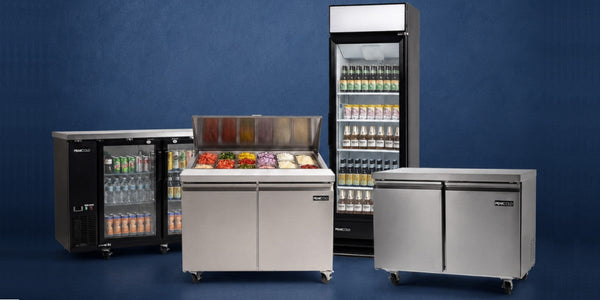
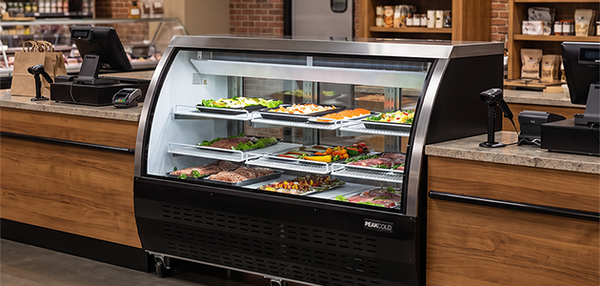
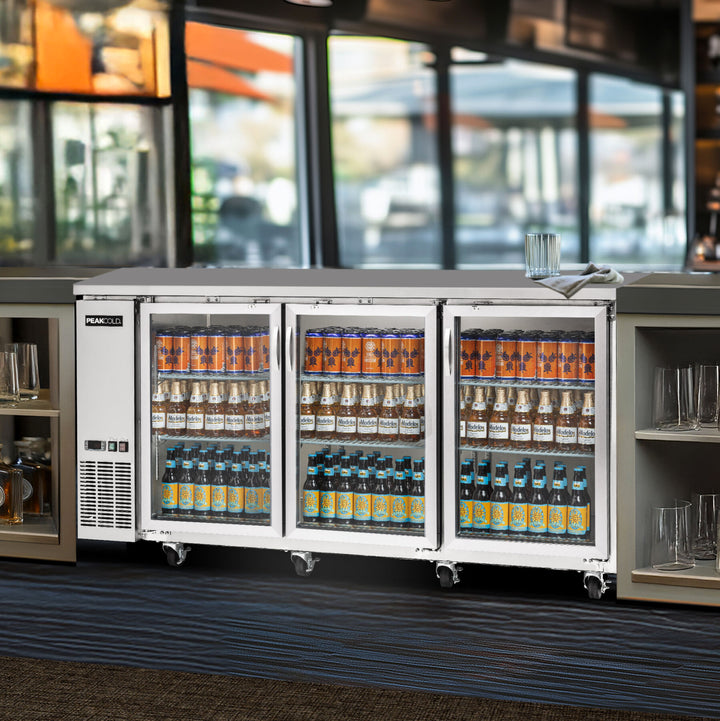
Age is only one factor in a commercial refrigerator's lifespan. Reach-in refrigerators, undercounter units, prep tables, back bar coolers, display refrigerators, and walk-in systems don't share the same workload or operating conditions. A heavily used unit in a hot kitchen may wear out sooner than a lightly used unit in a climate-controlled environment. Several operating conditions can shorten a unit's useful life, independent of age:
| Factor | Why it matters |
|---|---|
| High daily usage | More door openings and cooling cycles increase wear |
| Poor airflow | Restricted airflow can cause the system to run longer |
| Dirty condenser coils | Dirt and grease make heat transfer more difficult |
| Damaged door gaskets | Warm air enters and forces the refrigerator to work harder |
| Overloading | Blocked vents can prevent cold air from circulating |
| Temperature swings | Fluctuations may indicate a developing system problem |
| Delayed repairs | Small failures can place additional strain on other components |
| Harsh conditions | Heat, grease, moisture, and vibration can accelerate wear |
A 12-year-old refrigerator isn't necessarily beyond repair. Fixing a newer unit with repeated failures may be a worse investment than repairing an older one with a strong maintenance history.
If you're comparing the cost of repairing vs. replacing a unit for your business, browse Iron Mountain's commercial refrigerators to compare available configurations, sizes, and styles.
Compressor Failure: Repair or Replace?
Compressor failure is one of the toughest refrigeration calls, since the compressor is usually the costliest single component to replace. A failed compressor doesn't automatically mean the whole unit should go; if the cabinet is sound, the unit is relatively young, and the rest of the system has been reliable, a compressor repair can still make sense. But a compressor failure on an aging unit with a rocky repair history is often a sign that the rest of the system is reaching the same point, which tips the math toward replacement.
Can Energy Savings Justify Replacing an Older Unit?
An older refrigerator can cost more to run than its repair bills suggest, especially if the compressor is overworking to compensate for worn seals or aging insulation. Comparing your unit's current energy draw against a new model's published specs (alongside your repair spending and electricity rate) can show whether the operating savings offset the cost of replacing it. Energy savings alone rarely justify replacing a reliable unit, but they strengthen the case when paired with frequent repairs or declining performance.
How the 50% Rule Applies to Commercial Refrigeration
The 50% rule is a useful screening tool for repair-or-replace decisions:
Repair cost ÷ delivered replacement cost × 100 = repair percentage
If the repair estimate approaches 50% of a comparable replacement's full delivered cost (including freight, installation, and taxes), it's time to compare both options carefully. But the rule isn't automatic: a reliable newer unit may justify a repair above 50%, while a unit with frequent breakdowns may not be worth repairing even below it.
Review these questions alongside the percentage:
| Question | What it tells you |
|---|---|
| How much useful life remains? | A repair is more valuable when it preserves several reliable operating years |
| What caused the failure? | The root cause may indicate whether another failure is likely |
| What's the unit's repair history? | Repeated repairs can signal declining reliability |
| What does replacement include? | Freight, installation, warranty, and delivery affect the true cost |
A repair estimate should begin a conversation, not end it.
What Iron Mountain Technicians Look At
A proper repair-or-replace recommendation starts with the equipment, not a sales quota. Iron Mountain's technicians evaluate the condition of the unit and the business impact of the decision.
The inspection should consider:
- Age and model: How long has the unit been operating, and are parts still available?
- Failure type: Is the problem isolated, or does it indicate a larger system issue?
- Repair estimate: What will parts, labor, refrigerant work, and related service cost?
- Cabinet condition: Are the insulation, doors, gaskets, hinges, and interior sound?
- Temperature performance: Can the unit hold a consistent operating temperature?
- Repair history: How often has the refrigerator needed service?
- Downtime risk: What would another failure mean for inventory and daily operations?
- Replacement fit: Would a new unit match the available space, capacity, electrical requirements, and workflow?
- Support after the decision: Are warranty help and replacement parts accessible?
Iron Mountain has an EPA-certified technician serving nearby businesses with commercial refrigerator repair and commercial freezer repair.
Its regular service territory includes Kenosha County, Racine County, Northern Lake County, and parts of southern Milwaukee County, generally within approximately 40 miles of Pleasant Prairie. The company also keeps parts close by in its 55,000-square-foot warehouse.
For local businesses, the Iron Mountain service areas page explains current repair coverage and equipment types. Businesses comparing replacement equipment across the state can also review Iron Mountain's commercial refrigeration in Wisconsin resources.
Frequently Asked Questions About Commercial Refrigerator Lifespan
How long does a commercial refrigerator last?
Many commercial refrigerators last about 10 to 15 years, but usage, maintenance, equipment type, and repair history can shorten or extend that range [1].
Is it worth replacing a commercial refrigerator compressor?
Sometimes. The decision depends on the unit's age, cabinet condition, repair history, parts availability, and expected remaining life.
What is the 50% rule for refrigerator repairs?
If a repair approaches half the complete replacement cost, compare both options carefully. The rule is a screening guideline, not an automatic answer.
How do I know if an older refrigerator uses too much energy?
Compare its operating behavior and energy specifications with newer models. Constant operation and poor temperature control are warning signs.
Should I repair or replace a commercial freezer?
Use the same framework for commercial refrigerators outlined in this guide: compare age, repair cost, compressor and cabinet condition, operating costs, downtime risk, and remaining service life.
The Bottom Line on Repair vs. Replace
A commercial refrigerator isn't automatically ready for replacement because it's old. Likewise, a repair isn't automatically the right answer because it costs less today.
The better decision considers the unit's age and specific operational failure alongside its repair history, cabinet condition, compressor, energy use, parts availability, and downtime risk.
When the refrigerator is sound and the failure is isolated, repair may provide the best value. When the unit has a history of repeated failures or if a major repair would only delay replacement, a new commercial refrigerator may be the more reliable investment.
Call 833-734-8880, Monday through Friday, 8:30am - 4:00pm CST, or submit a service request online. We'll help you decide the next step.
Last updated: November 11, 2026
Sources
[1] TigerChef, "How Long Does a Commercial Refrigerator Typically Last?" tigerchef.com