
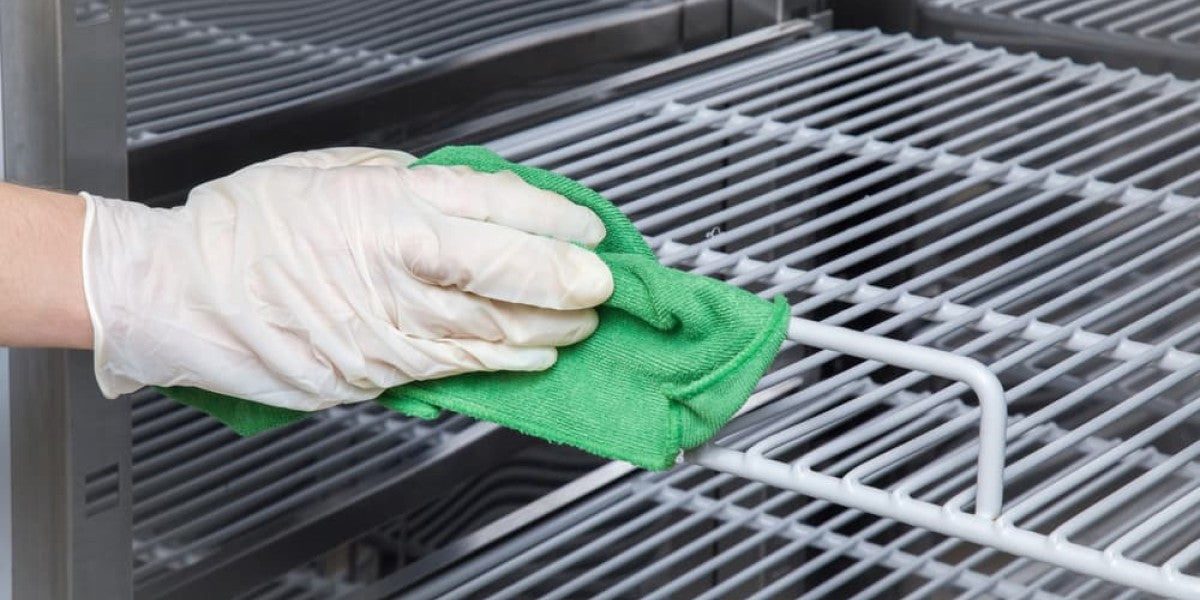
When work refrigerator cleaning is neglected, spoiled food sticks around longer than it should, containers start to leak, and the fridge slowly turns into something people work hard to avoid using.
The Importance of a Professional Work Refrigerator Clean Out
Regular fridge cleaning protects food safety and keeps the office refrigerator usable for everyone. Being a shared environment, temperature shifts are unavoidable. Doors open. Shelves get rearranged. A steady cleaning rhythm helps limit contamination and prevents odors from settling in and becoming permanent.
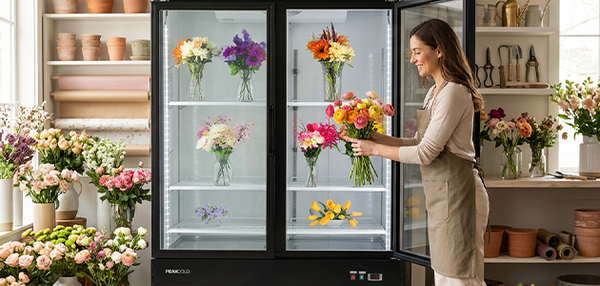
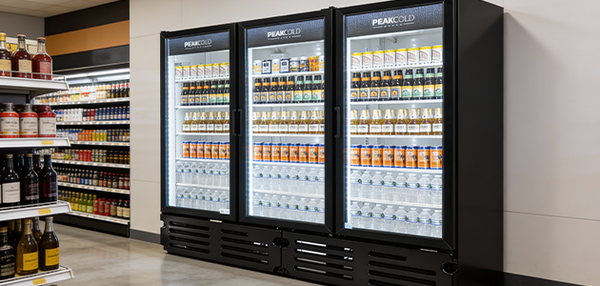
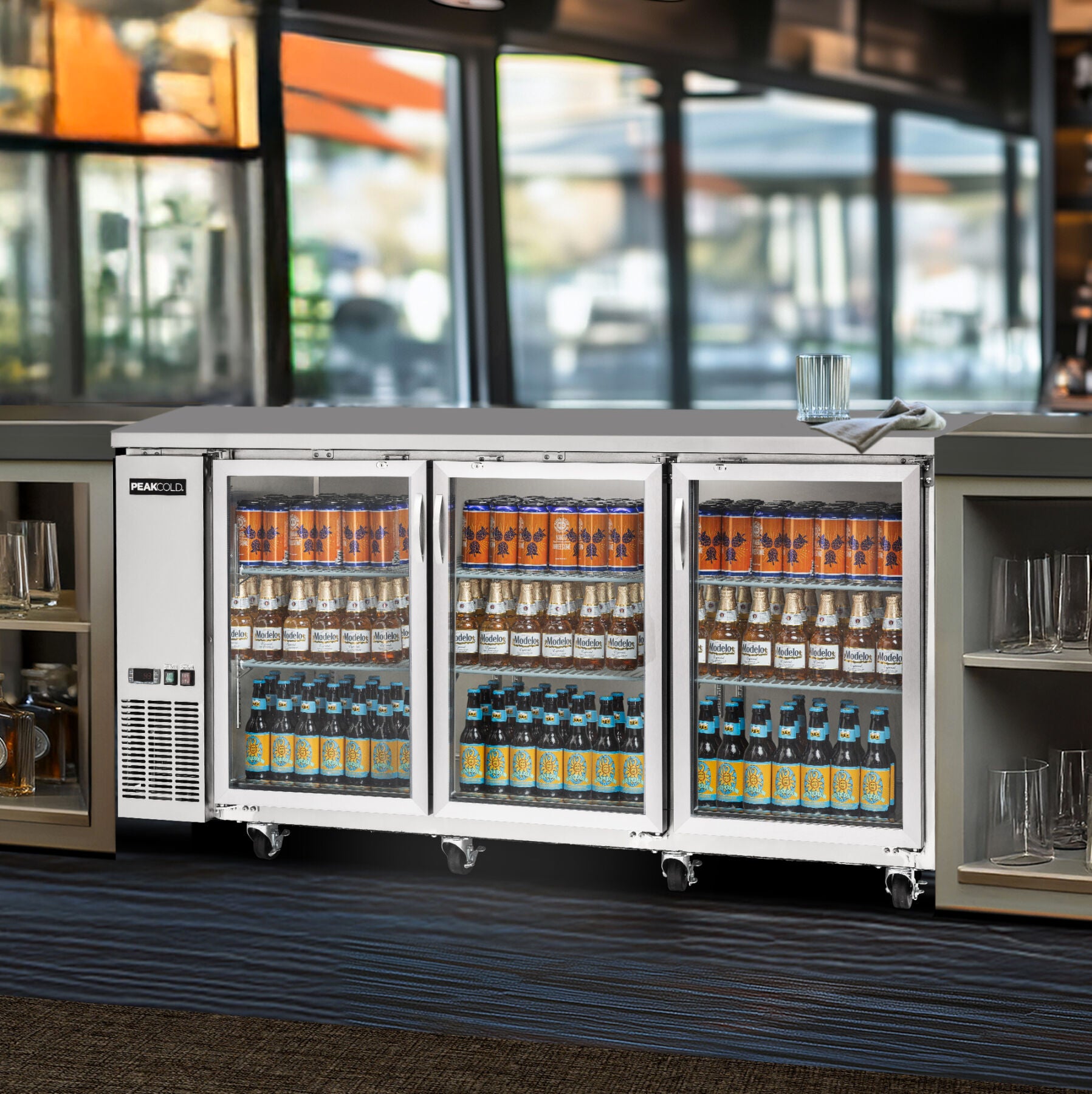
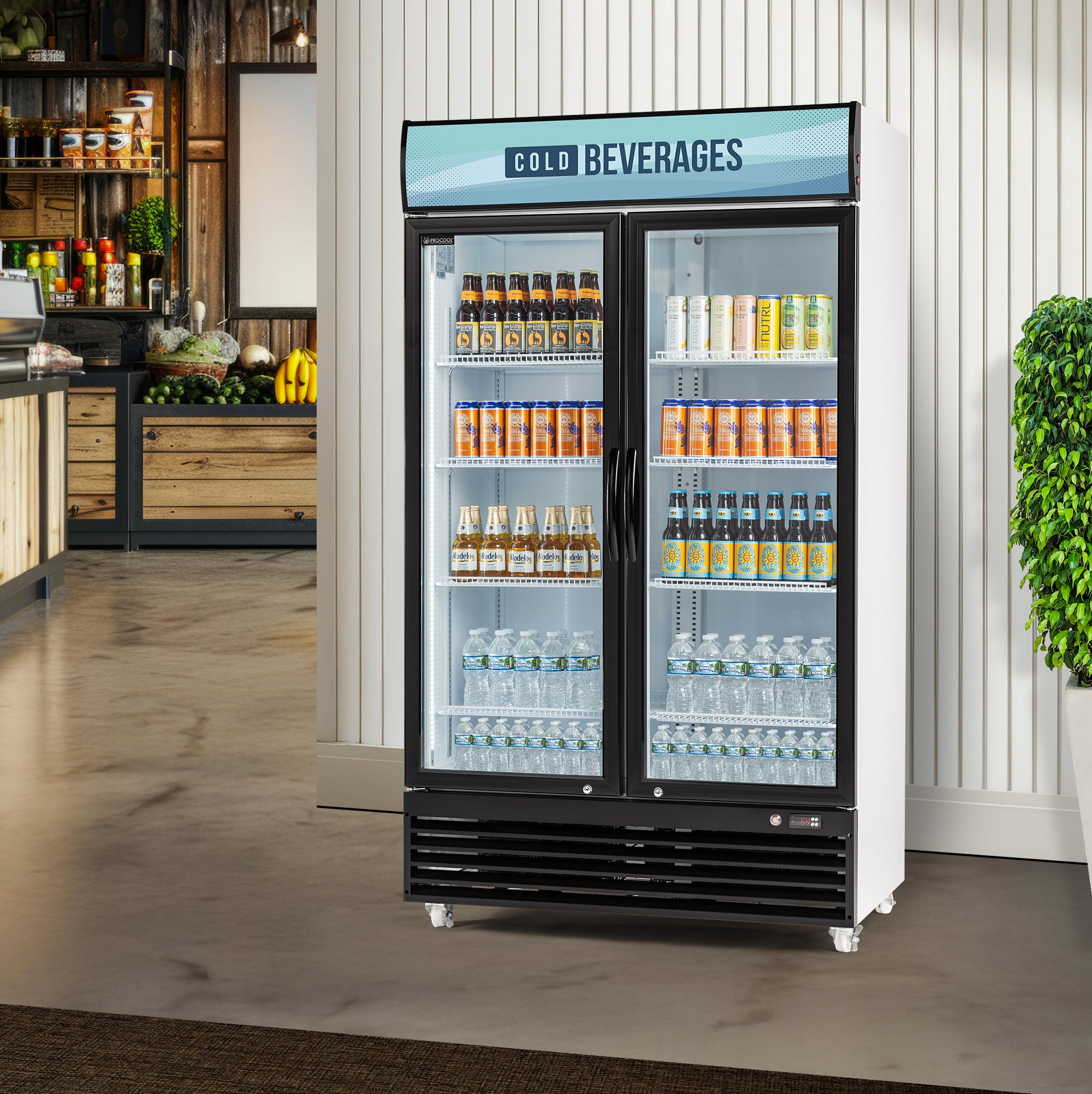
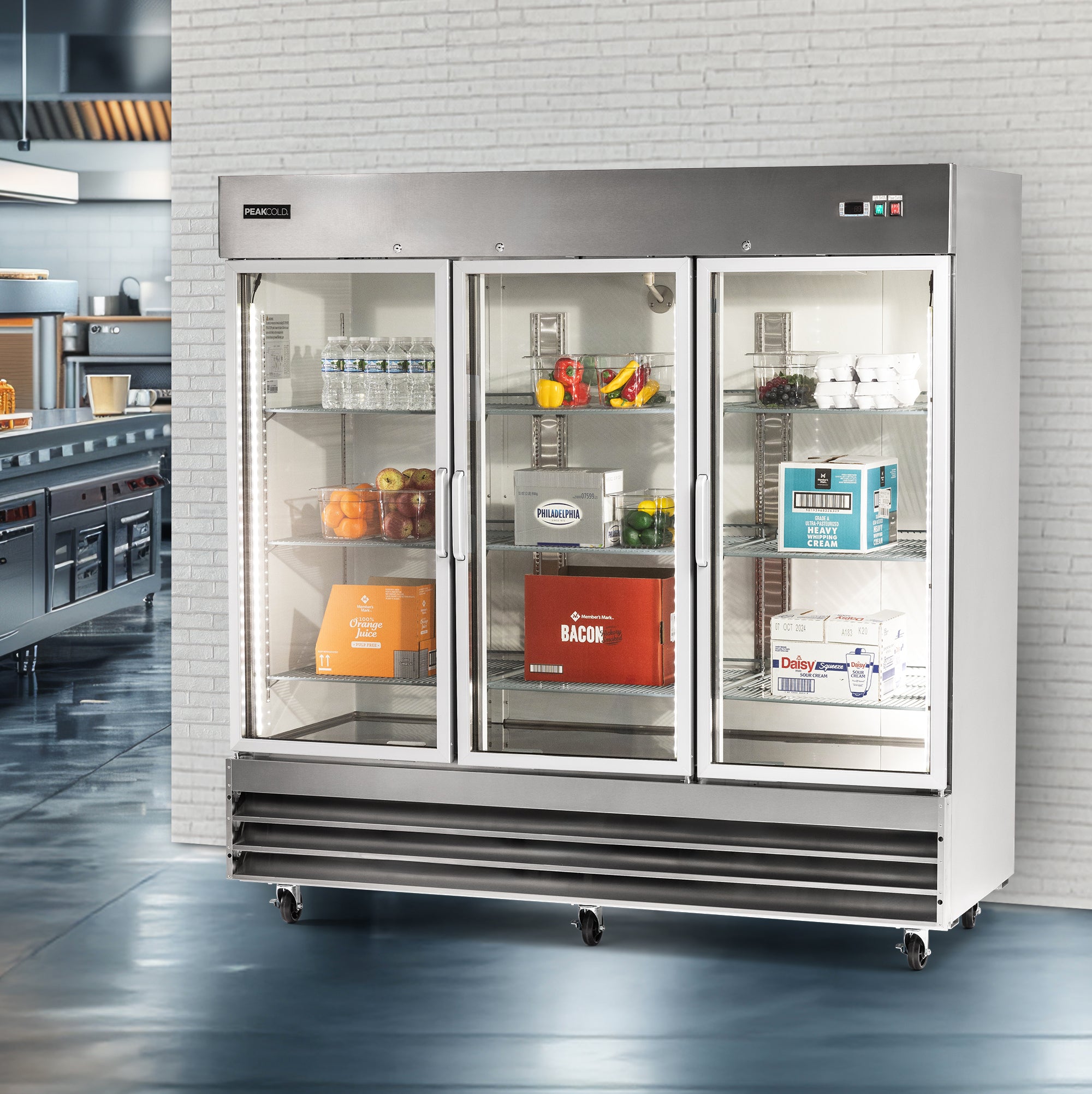
Fridge design changes behavior more than a bunch of kitchen rules ever will. Iron Mountain Refrigeration's glass door display coolers reduce forgotten food simply by removing guesswork. When everything is visible before the door is even opened, items don't get lost in the back. Employees recognize what they've stored. Managers can spot expired containers immediately. The work refrigerator clean-out moves faster because there's less hidden buildup waiting to be discovered.
Moving from a residential, closet-style fridge to high-visibility commercial refrigerators also resets expectations. People organize more intentionally. Items are easier to identify. The fridge stops functioning like personal overflow storage and starts operating as shared equipment. That shift alone cuts down on the “gross factor” that tends to accumulate over time.
Streamlining Maintenance With Commercial-Grade Materials
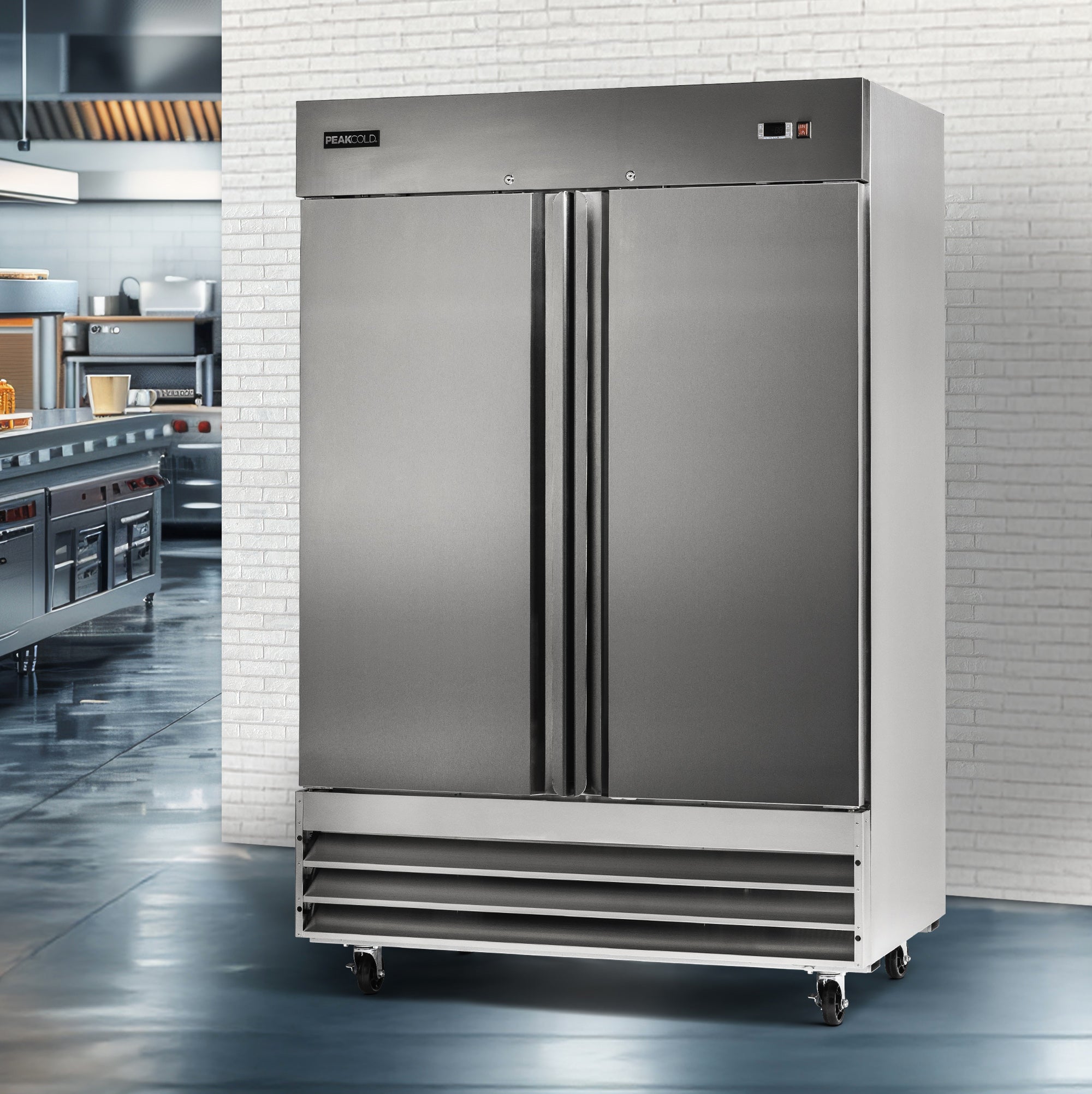
Commercial materials exist for one reason. They clean faster and tolerate heavy use without holding onto residue. Stainless steel interiors, like those used in PeakCold units, don't trap odors the way plastic liners do. Spills wipe away instead of soaking in. Nothing lingers longer than it should.
Removable components make a big difference. Adjustable epoxy-coated shelves slide out smoothly, letting you clean surfaces directly rather than reaching around fixed obstructions. Door gaskets don't become permanent blind spots. They can be removed, washed, and reinstalled without fuss, which shortens cleaning time and improves results.
Iron Mountain Refrigeration units also use bottom-mounted compressors. That placement keeps dust away from food storage zones and simplifies access during routine upkeep. You're not tipping units, climbing, or pulling equipment apart just to remove buildup. Compared to top-mounted residential coils, this design stays cleaner with less effort, which matters in fast-paced office cleaning schedules.
Food Safety and Organization Standards
Food safety in a shared fridge depends on consistency. Temperature matters. Visibility matters. For office use, the safe temperature range sits at 33-40 degrees Fahrenheit, and keeping it there requires accuracy.
PeakCold units use Dixell digital controllers that display exact temperatures. Instead of adjusting a vague dial and hoping it lands in the right range, you can see precisely how the fridge is performing and address issues before spoilage becomes a problem.
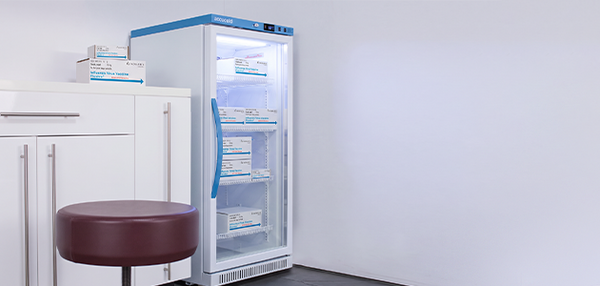
Iron Mountain Refrigeration and Equipment products are ETL Listed and conform to NSF Std. 7. These standards are used in professional food environments, not casual settings. For you, that means the refrigerator meets sanitation expectations designed for commercial kitchens, even while operating in an office.
LED interior lighting makes sure old food can't hide in the dark. It makes the fridge feel less mysterious and more friendly.
Sustainable Waste Management in the Break Room
When food stays visible and holds temperature properly, it's more likely to get used instead of, little by little, getting shoved to the darkest recesses at the back of the fridge, never to be seen or heard from again, that is, until the odor starts. Visibility and thermal control reduce waste passively and make for a clean fridge. No rules or handwritten kitchen signs needed.
Iron Mountain Refrigeration units use R290 hydrocarbon refrigerant with a global warming potential of only 3. This choice lowers environmental impact while still maintaining dependable performance, which is especially important in high-use office environments.
The No Drain Required feature simplifies both placement and upkeep. A self-evaporating water tray collects condensation and disperses it using heat from the compressor. There's no manual draining and no additional plumbing, which keeps routine cleaning quick and simple.
FAQ: Work Refrigerator Clean Out & Equipment
How often should I clean my refrigerator & freezer?
Once a week will do it. Iron Mountain Refrigeration's glass door models speed up the job because contents can be checked without even opening the fridge.
What is the best way to clean a commercial office fridge?
Use mild soap and water on stainless steel or vinyl surfaces. Hot water alone is even better for a deep clean. Skip abrasive or harsh chemicals, which can damage NSF-certified finishes over time, despite what the label may claim.
Can I use a residential fridge for my office break room?
In theory, sure, but residential units aren't durable enough, and over time it will likely prove a poor substitute for a commercial fridge.
What is a self-evaporating water tray, and why does it matter for offices?
It captures condensation and evaporates it using compressor heat. That means less manual draining, which means less chances that condensation will cause issues inside the unit.
A consistent approach to fridge cleaning, combined with equipment designed for shared use, makes life easier in the office break room. When materials clean easily and temperatures stay reliable, the office refrigerator functions as a practical resource rather than a source of contention.