
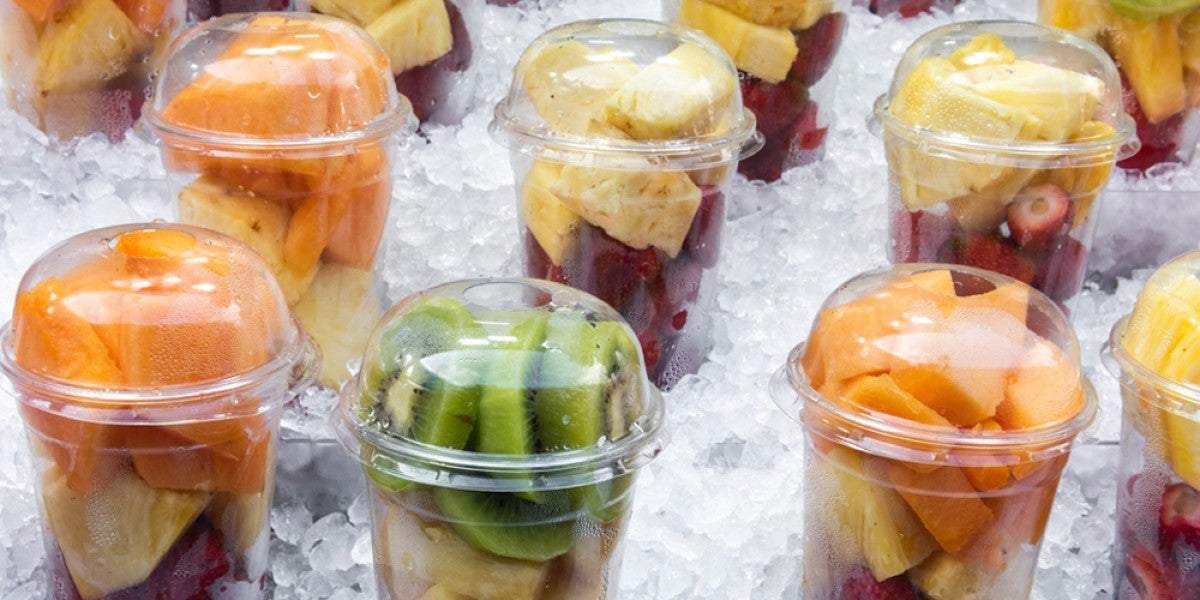
Grocery stores and supermarkets rely on a commercial ice maker or a commercial ice machine to keep perishable items fresh and for food displays in specialty departments like seafood and deli. In stores with beverage service, it is also crucial to provide cold refreshments to customers. An unreliable ice vending machine will disrupt daily operations and could cost an owner thousands of dollars in food waste due to spoiled food. A commercial ice machine is a significant investment and an essential resource to your store, so be sure to purchase one that is of high quality. Here are some things to consider:
The Right Ice Machine & Ice Shape
There are many different types of ice makers, and selection should be based on evaluating whether the machine’s features will match what you use the ice for. For example, an important consideration when buying an ice machine is the type of ice it makes. Flake ice is commonly used in grocery store displays, and nugget ice is usually used in beverages. Flake ice is soft and snow-like and, therefore, gentler on seafood or produce, which can bruise. Here’s a guide to ice cube shapes and sizes. Commercial ice makers are either batch-type or continuous-type. Continuous-type ice makers usually generate flake and nugget ice. The machine's production and storage capacity should also be considered before purchase.
Space and Ventilation Considerations
Ice machines have different types of condensers. The most common type is air-cooled condenser ice machines, which require proper ventilation space around the machine. The ventilation and the machine's temperature determine the air output and quality. If the machine is not correctly ventilated, there is a high likelihood of high temperatures, which leads to lower ice production. Your machine might have to work harder to provide the needed ice and cooling. This is inefficient and leads to high energy costs.
Water Temperature Matters
Water temperature is another important consideration when shopping for an ice machine for your grocery store. Be sure to choose an efficient machine that effectively maintains internal water temperatures. Just as with air temperature, a machine that doesn’t effectively manage the water temperatures will lead to low ice production.
Filtration Equipment Is Important
A commercial water filter can help extend the life of an icemaker. Fitting an icemaker with the right filtration equipment will help avoid damage and unwanted minerals in your ice. The kind of water in your area determines the type of filter you need. Those living in hard water areas will need to use durable water filters, as salt sediments can interfere with the ice machine's functioning. Filters should be replaced every 6 months at a minimum, but this also depends on the water in your area. Cleaning an ice machine is also very important to extending the life of the machine.
Icemakers to Fit Your Needs
A heavy-duty commercial ice maker, which comes in a variety of shapes and sizes, is recommended for grocery stores. Iron Mountain Refrigeration offers a great selection of ice makers. Conduct thorough research before purchasing and contact us if you have questions. We are experts in commercial refrigeration and rated five stars for customer service.