
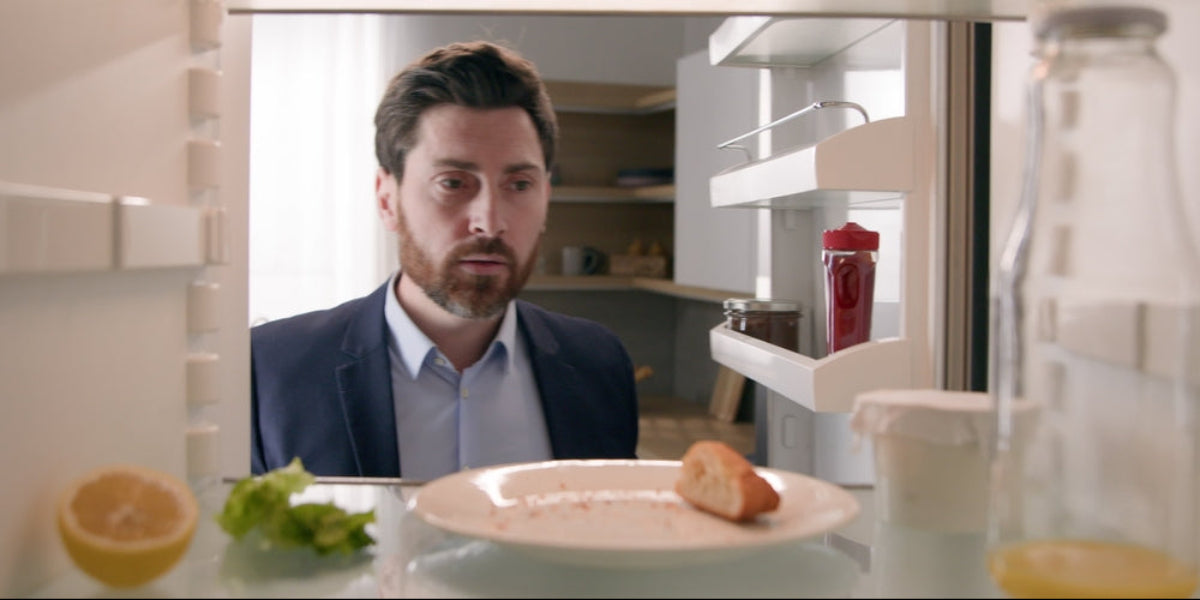
One of the most common areas that historically causes bad feelings in the workplace is the office kitchen and, in particular, break room refrigerators. This is where, even in the most sophisticated organizations, shared norms often fall apart. This kind of situation is not only bad for office morale but also it can lead to tension or even anger between employees.
Establishing Professional Office Fridge Rules
Unfortunately, not everyone has the same standards that they live by as far as cleanliness and tidiness. That's why break room refrigerators often end up looking like a messy teenager's bedroom.
The workplace fridge should be looked upon as nothing different than other office equipment. An employee shouldn't expect to find a half-eaten peanut butter sandwich on top of the office copier, or an old cup sitting in the dispenser area of the water cooler, right? Nor should they expect to find a calzone with a bite taken out of it, sitting on the top shelf of the office fridge. And the expectation of cleanliness should be supported by office rules.
Employees shouldn't have to fight for themselves when it comes to workplace fridge standards. The company should have policies that back up orderliness in the workplace fridge, the same as they have for other areas of the office.
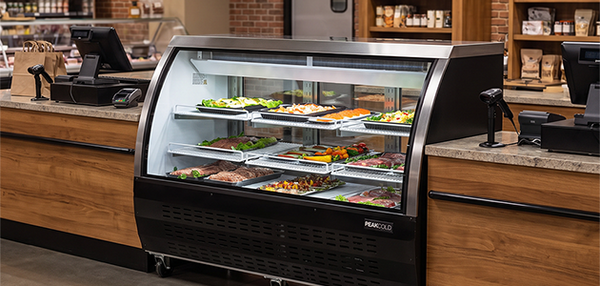
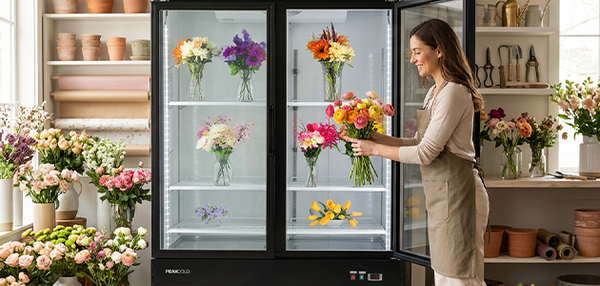
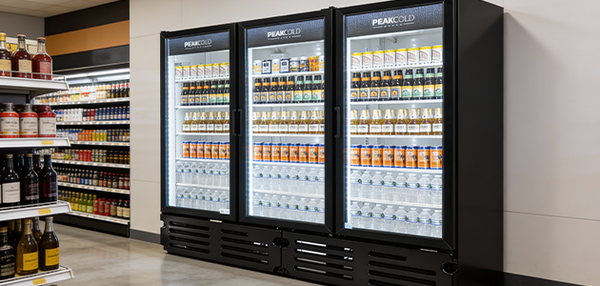
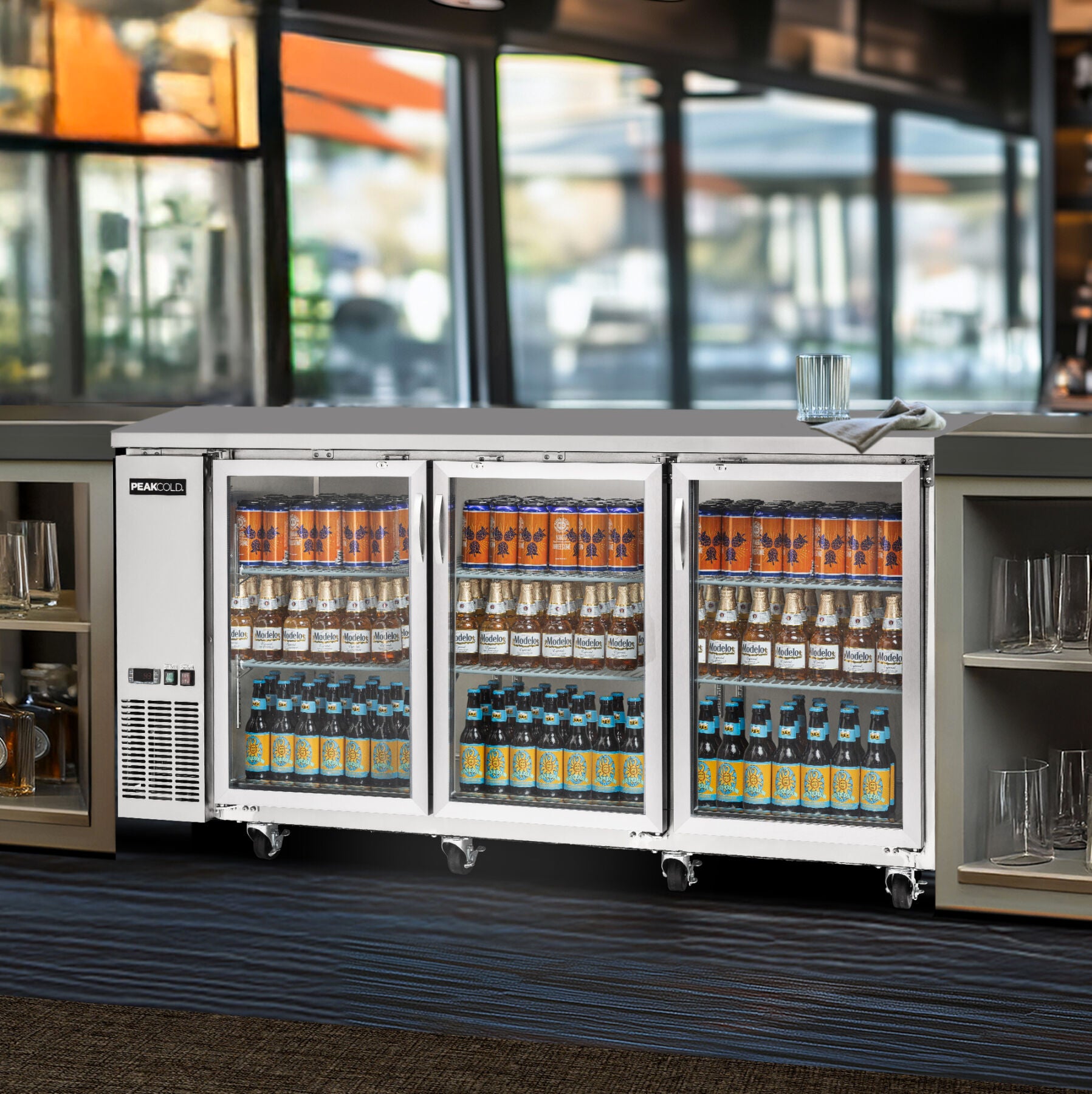
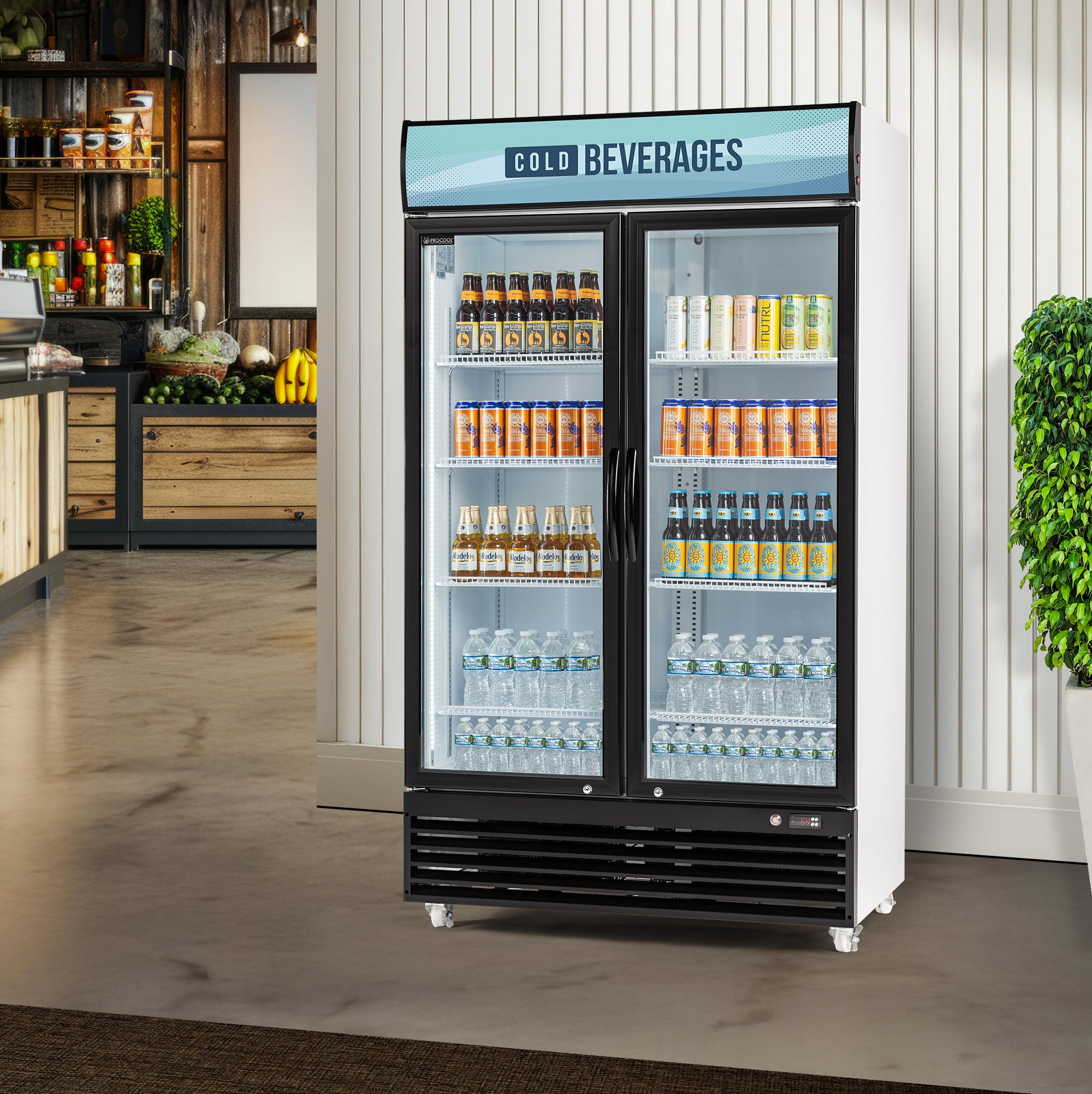
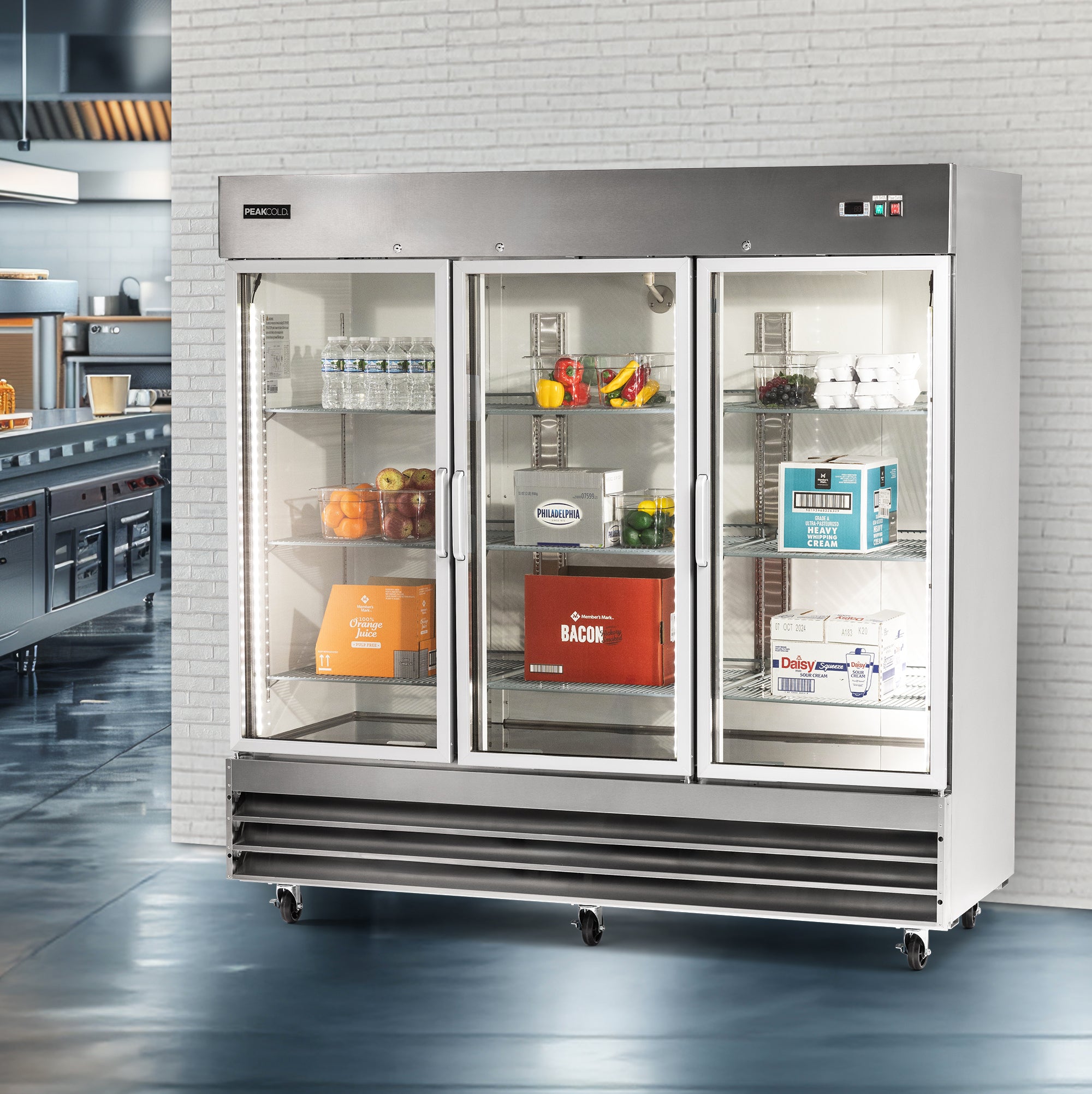
One easy way to combat general untidiness is to have glass door display coolers, where all the employees can instantly see the contents, identify problems, and get a memory jog for any old food they may have left behind.
This one change by itself can make offenders change their behavior as far as fridge etiquette.
Hygiene and Durability: The Iron Mountain Refrigeration Edge
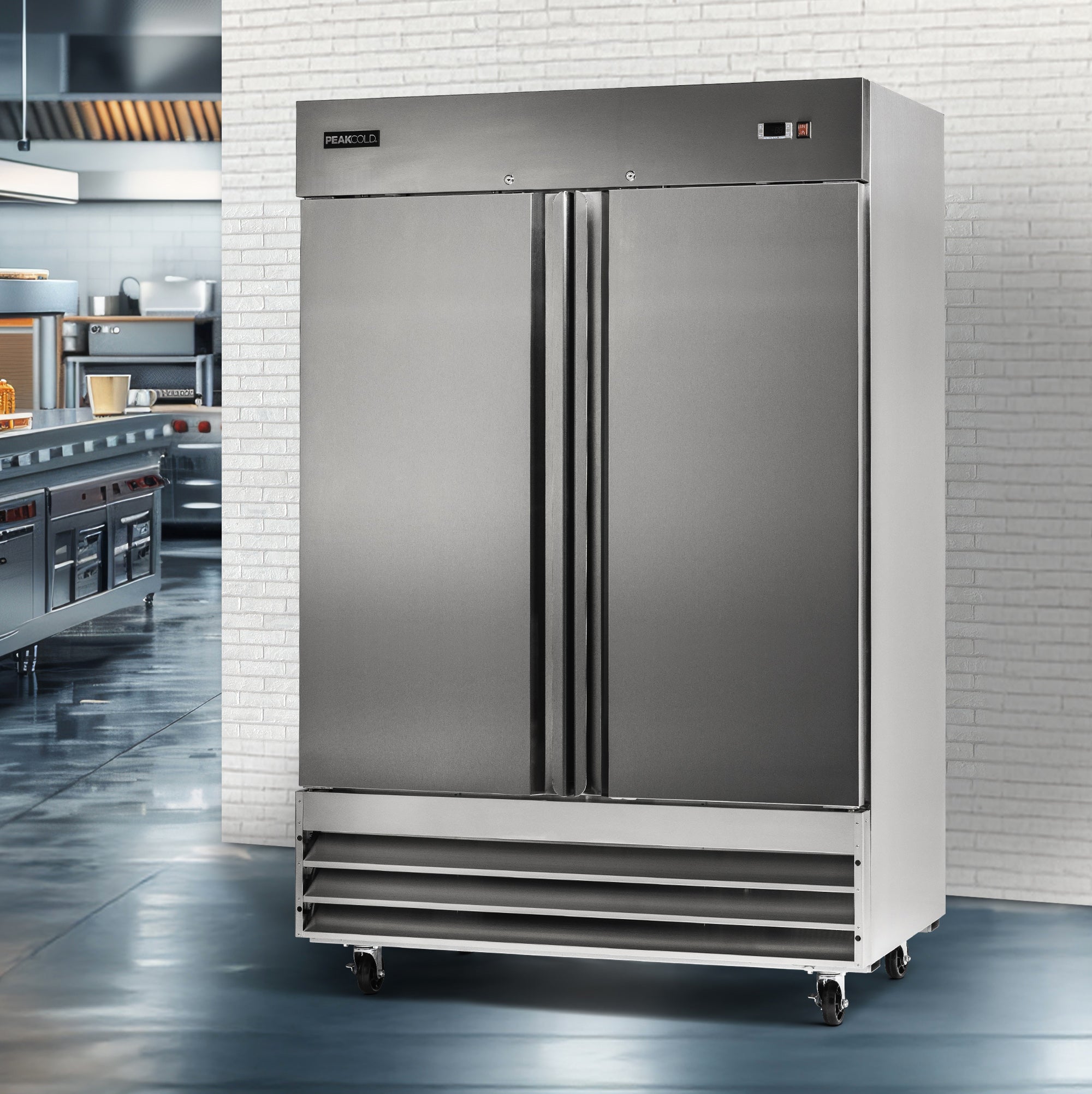
Residential fridges don't hold up well to commercial use. By contrast, Iron Mountain Refrigeration units use stainless steel interiors and tough finishes that handle daily wear and are easier to maintain in a shared space such as an office kitchen.
Cleanliness also depends on the details. Removable door gaskets on a workplace fridge make it easier to clean areas where spills and odors tend to build up. Self-evaporating drip trays reduce moisture inside the unit, which helps cut down on lingering smells – one of the most common complaints in shared break rooms.
Temperature control is another key factor. PeakCold and Procool recover temperature quickly even with frequent door openings. That supports food safety freezer temperature standards and helps keep food from spoiling.
Organizing for Efficiency: Shelving and Layout
Adjustable epoxy-coated shelving on a workplace fridge makes it easier to change the layout as needs change, so lunches, shared drinks, and larger containers can all fit without crowding each other out.
Many offices also benefit from adding 33-inch under-counter coolers for drinks. Moving beverages into a separate unit opens up space in the main fridge and cuts down on congestion. With drinks stored elsewhere, people get what they need faster and food stays easier to organize.
LED-lit interiors help eliminate shadowy spots where containers tend to get pushed and forgotten. When everything is visible, people are more likely to rotate items, notice what's getting old, and follow shared rules without being reminded.
Sustainability and Food Waste Reduction
When office fridges don't hold temperature well, food spoils faster, and more meals end up tossed out. Iron Mountain Refrigeration units recover temperature quickly and keep a steady range at 33-40 degrees Fahrenheit, which helps food last longer and reduces waste over time.
Sustainability is also supported through newer refrigeration technology. PeakCold and Procool models use R290 refrigerant, which has a lower environmental impact than traditional options. That makes it easier for offices to align everyday break room operations with broader environmental goals without changing how employees use the fridge.
Glass door units make it easier to follow a First-In, First-Out (FIFO) approach because older items are easy to spot. When people can clearly see what's been sitting the longest, they're more likely to use it before adding something new.
Clear expectations, practical organization, and durable refrigeration turn break room refrigerators into a shared space people can rely on.