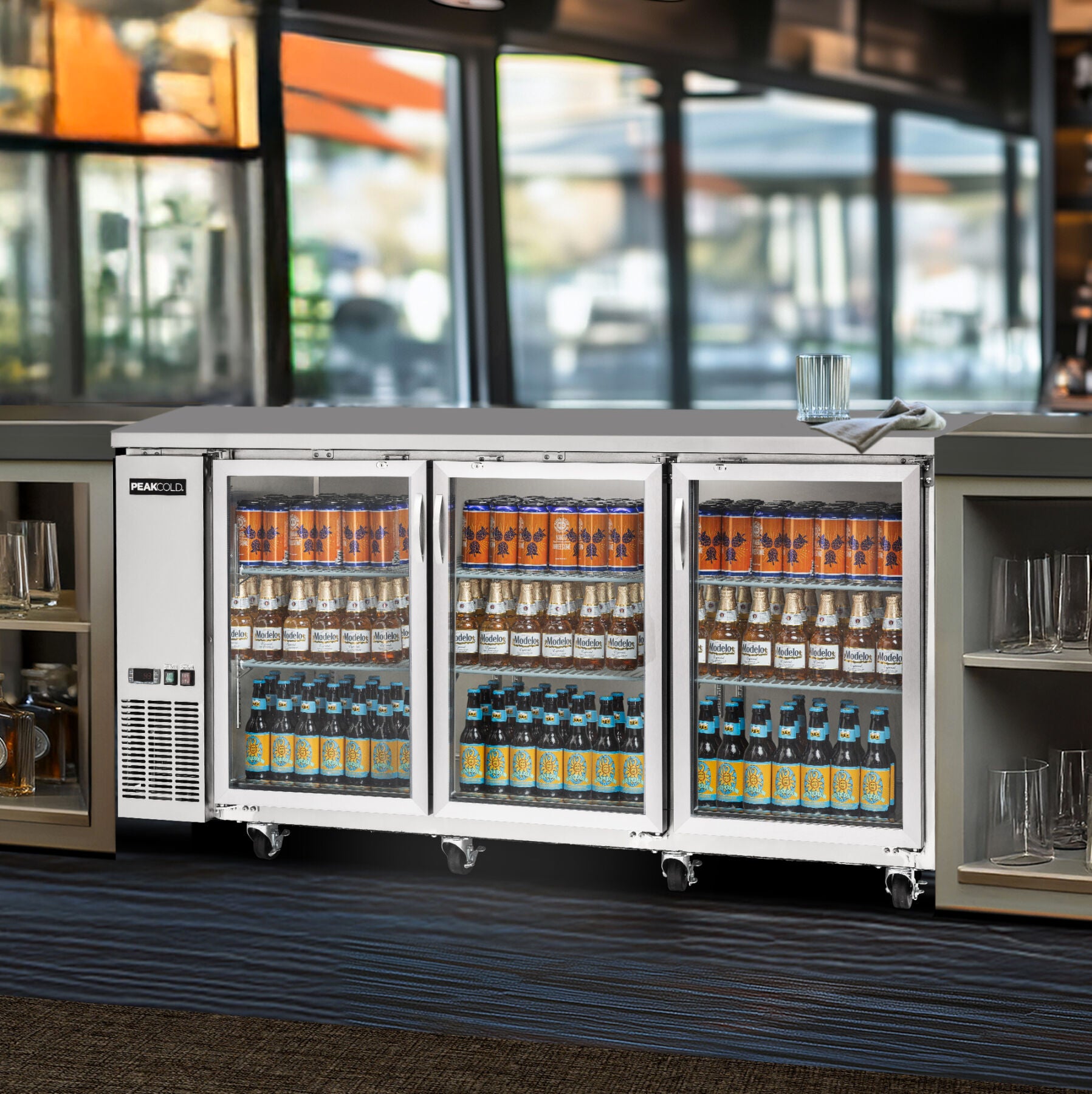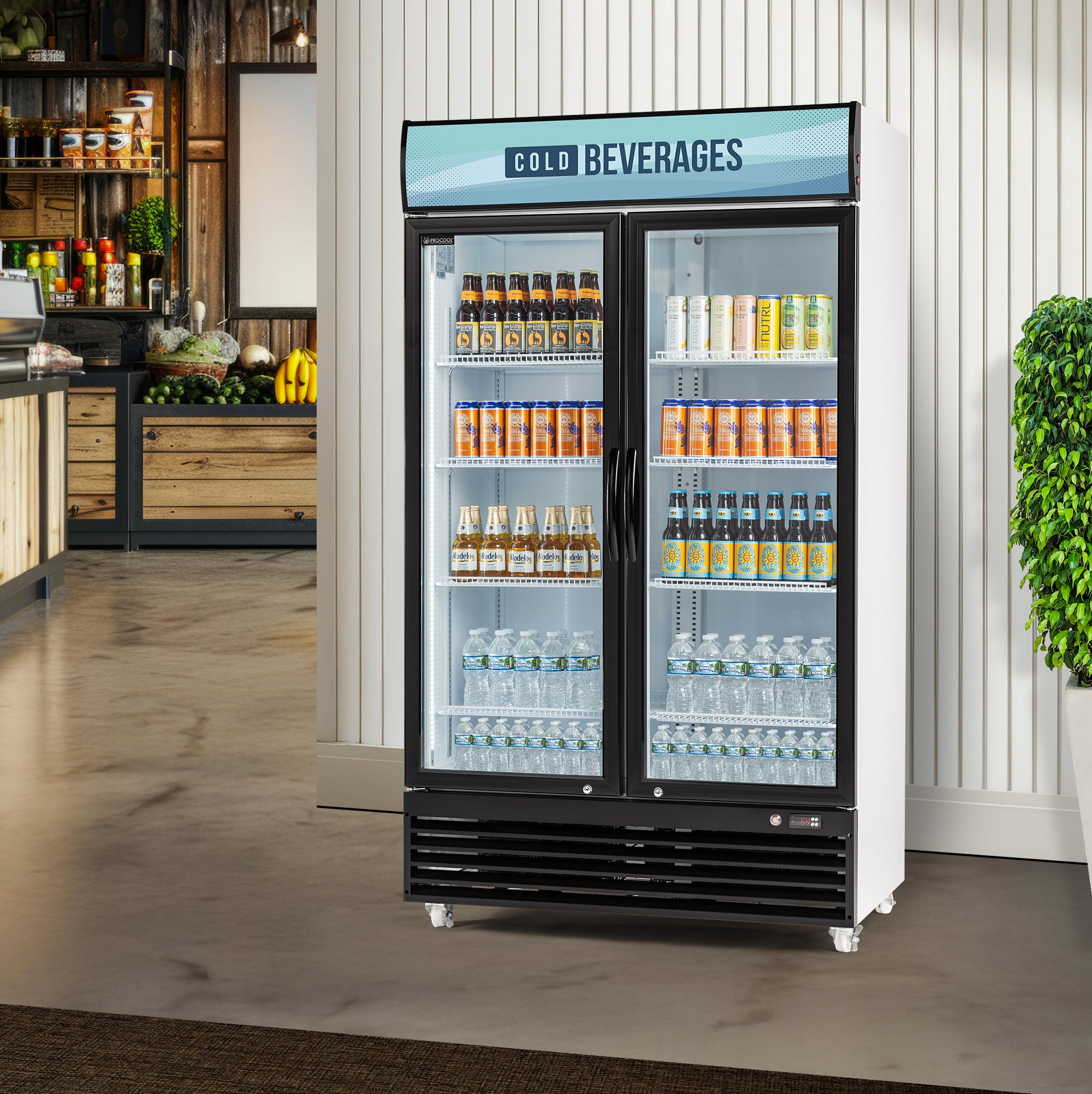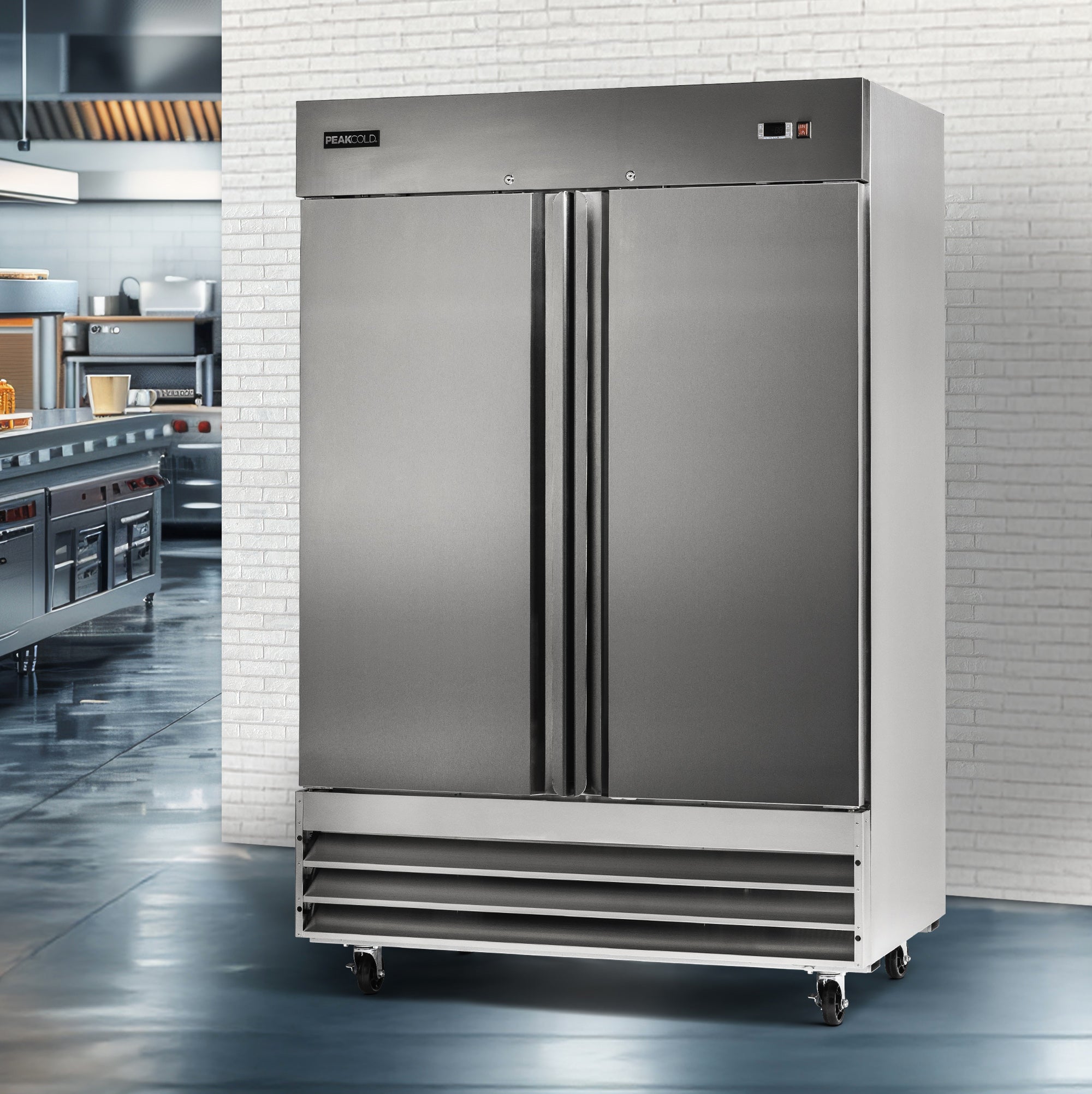

Having a refrigerator that’s warmer than expected can be a frustrating issue. It’s not just an inconvenience. It impacts both the safety of your stored food and the energy efficiency of your appliance. Here, we’ll explore why your refrigerator is warm and provide you with effective solutions to ensure it runs optimally.
Common Causes of a Refrigerator Getting Warm
Discovering that your refrigerator is warm can be surprising and problematic. A range of factors from simple oversights to mechanical failures can cause this issue, each impacting the appliance’s ability to cool effectively. Let’s uncover the most common causes of a warm fridge, including improper settings, blocked air vents and more.
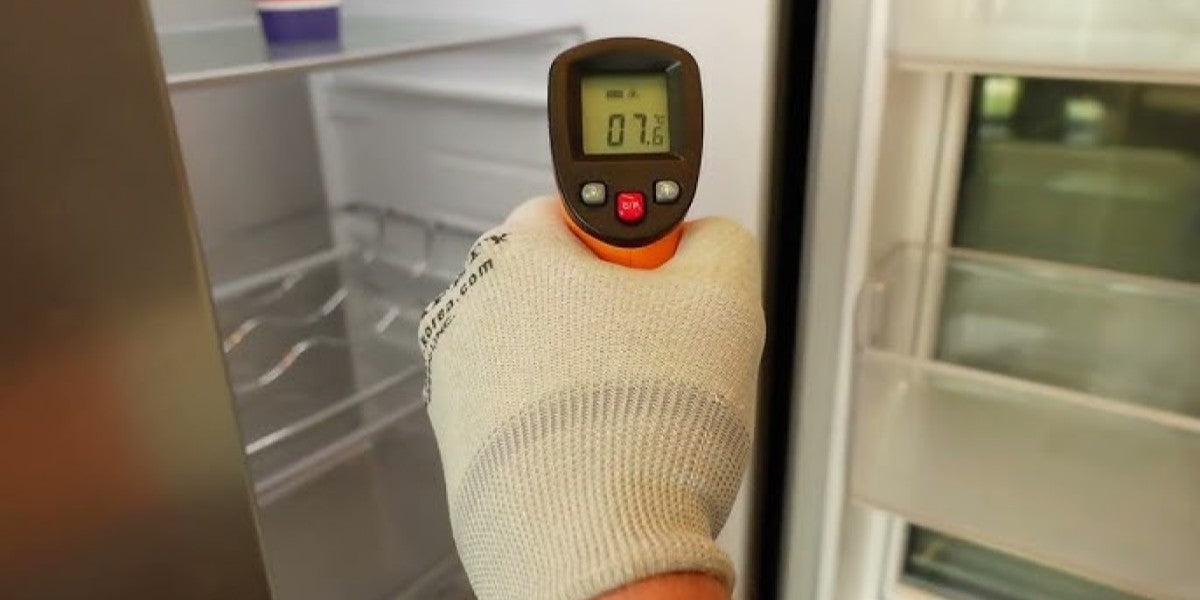
- Improper temperature settings: Sometimes, the simplest explanation is that the fridge’s temperature settings have been inadvertently changed. Fridges should typically be set between 37 degrees Fahrenheit and 40 F.
- Blocked vents: Overpacking your fridge can block the air vents, restricting the flow of cold air inside the unit and causing the temperature to rise.
- Malfunctioning components: Critical parts such as the thermostat, condenser coils or the evaporator fan can fail, leading to inadequate cooling. Dirt and debris can also clog the condenser coils, preventing them from releasing heat effectively.
- Frequent door openings: Regularly opening the fridge door lets in warm air and makes the interior temperature rise, especially in hot weather.
The Impact of a Warm Fridge
A warm refrigerator is more than just a minor annoyance. It poses significant risks that can affect both your health and your finances. When the internal temperature of your fridge rises above the recommended range, the consequences extend beyond simple inconvenience. Here’s a closer look at the key impacts of a warm fridge.
- Food safety: Perishables such as meat, dairy and cooked foods can spoil quickly if not stored at the right temperature, leading to foodborne illnesses.
- Energy consumption: A warm fridge must work harder to cool down, leading to increased energy use and higher utility bills.
Troubleshooting Tips
If you find yourself wondering, “Why is my fridge warm?” here are some steps you can take to resolve the issue:
- Check temperature settings: Ensure your fridge is set to the recommended temperature range.
- Inspect and clear vents: Make sure there’s no food or containers blocking the air vents. A clear path for air flow is crucial.
- Clean condenser coils: Dirty coils can’t release heat properly. Cleaning them might solve the warming issue without further intervention.
- Assess door seals: Make sure the seals are tight and not leaking air. Replace them if they are worn out.
- Consult a professional: If these steps don’t solve the problem, it might be time to call in a professional to check other components like the thermostat or compressor.
Is It Time for an Upgrade?
A refrigerator that’s too warm can be a source of stress but addressing it doesn’t have to be. By understanding the common causes and following the above troubleshooting tips, you can quickly restore your fridge’s functionality and protect your food. If you find yourself regularly asking, “why does my fridge feel warm inside?” or “why is my freezer too warm?” there’s probably a reason for concern. Many times, ongoing issues with an older refrigerator can signify that it’s time for an upgrade. Modern refrigerators are more energy efficient and come with advanced features that ensure better food preservation and consistent temperatures. If you’re considering a new freezer or refrigerator, check out Iron Mountain Refrigeration’s extensive fridge options. We offer a variety of commercial refrigerators that can meet the needs of busy homes and businesses. Contact us to learn more today.