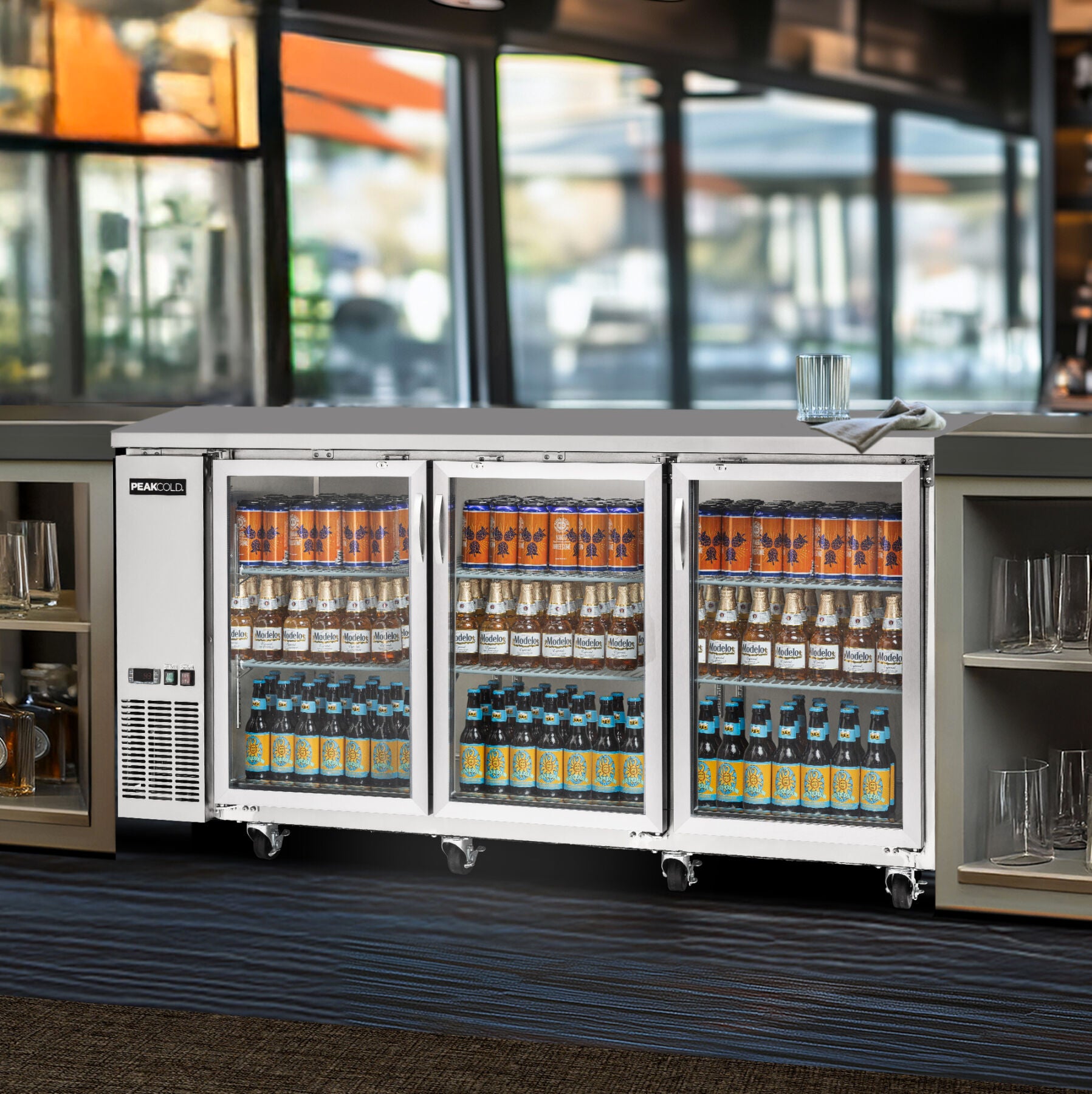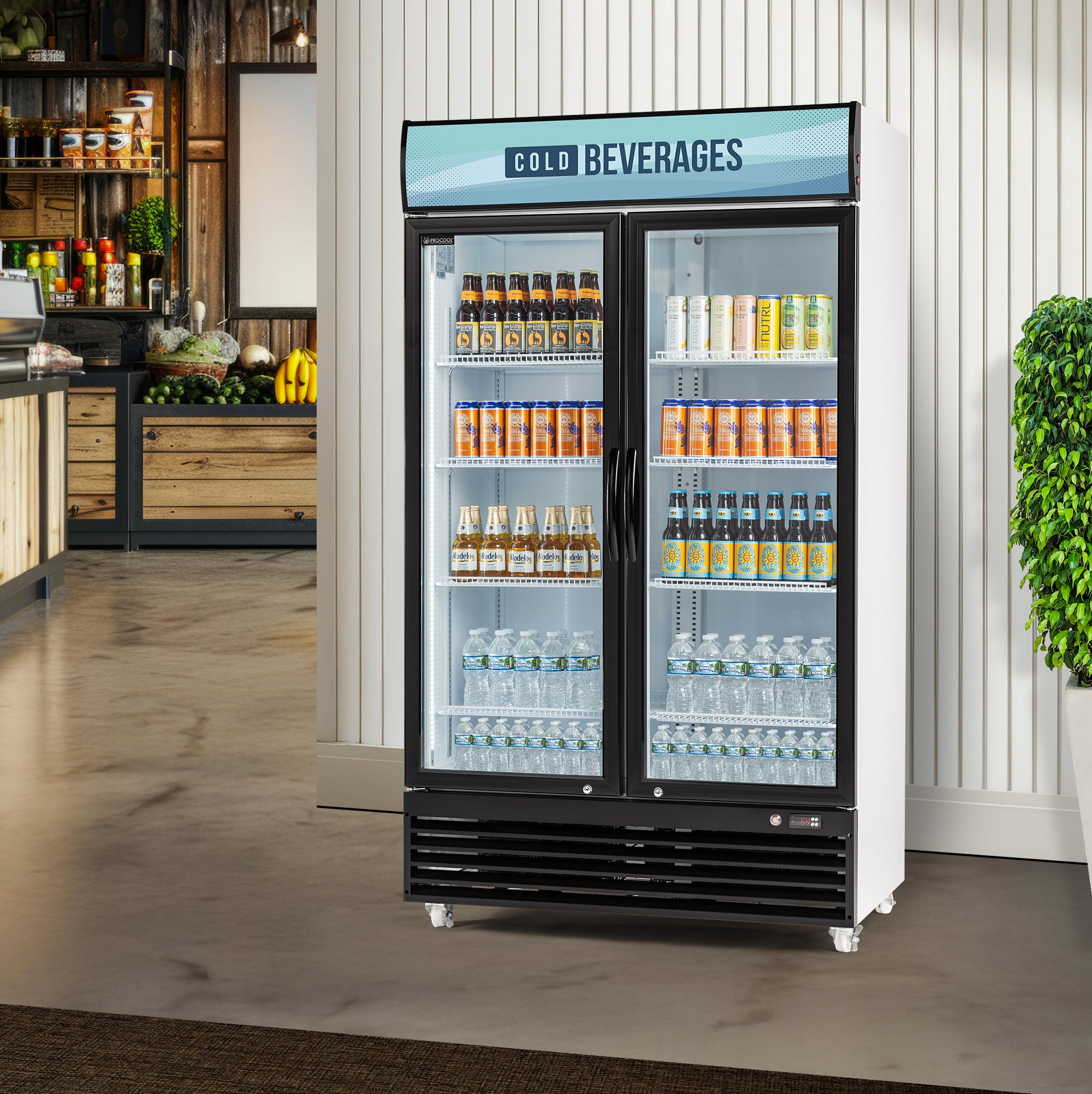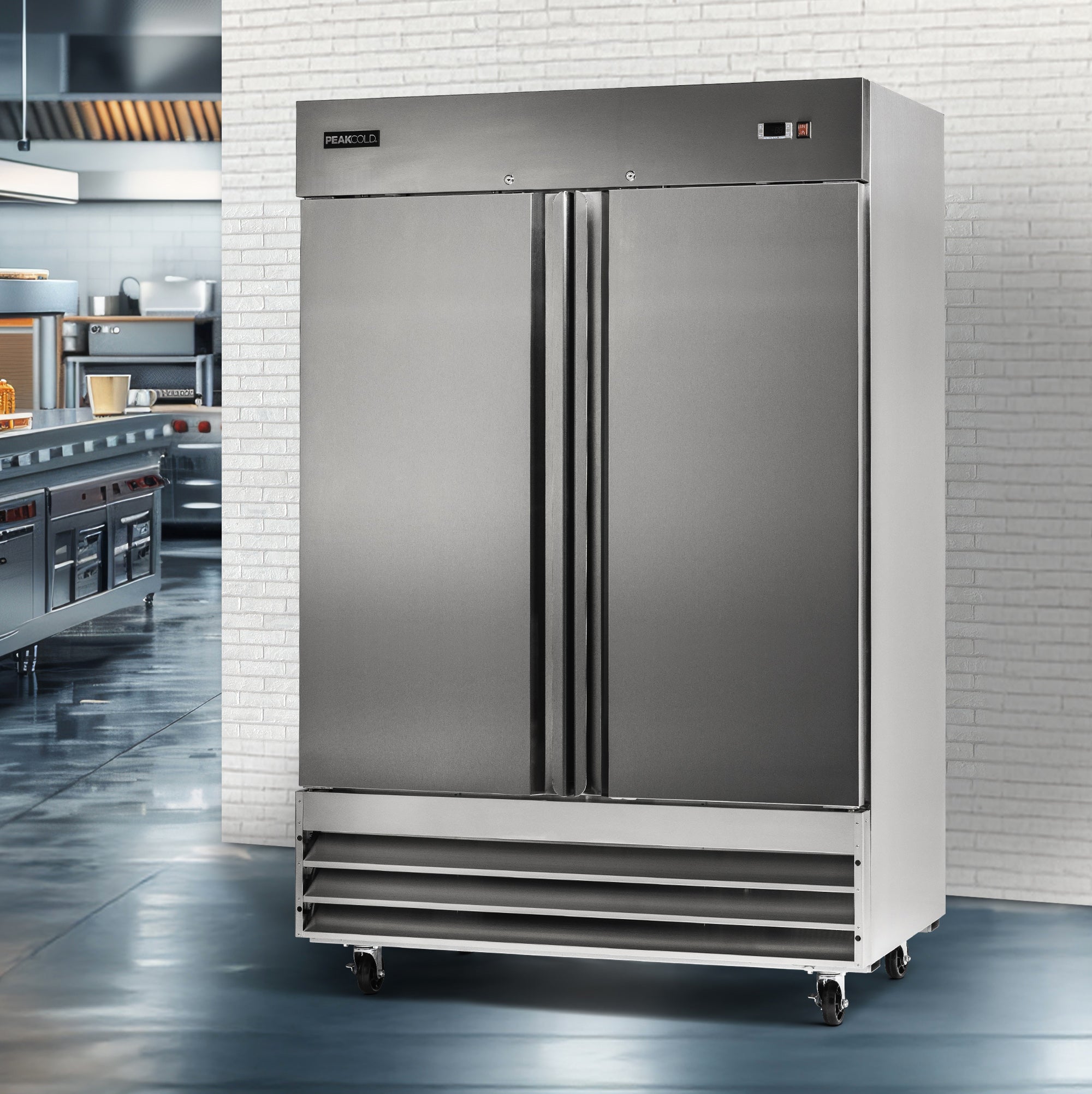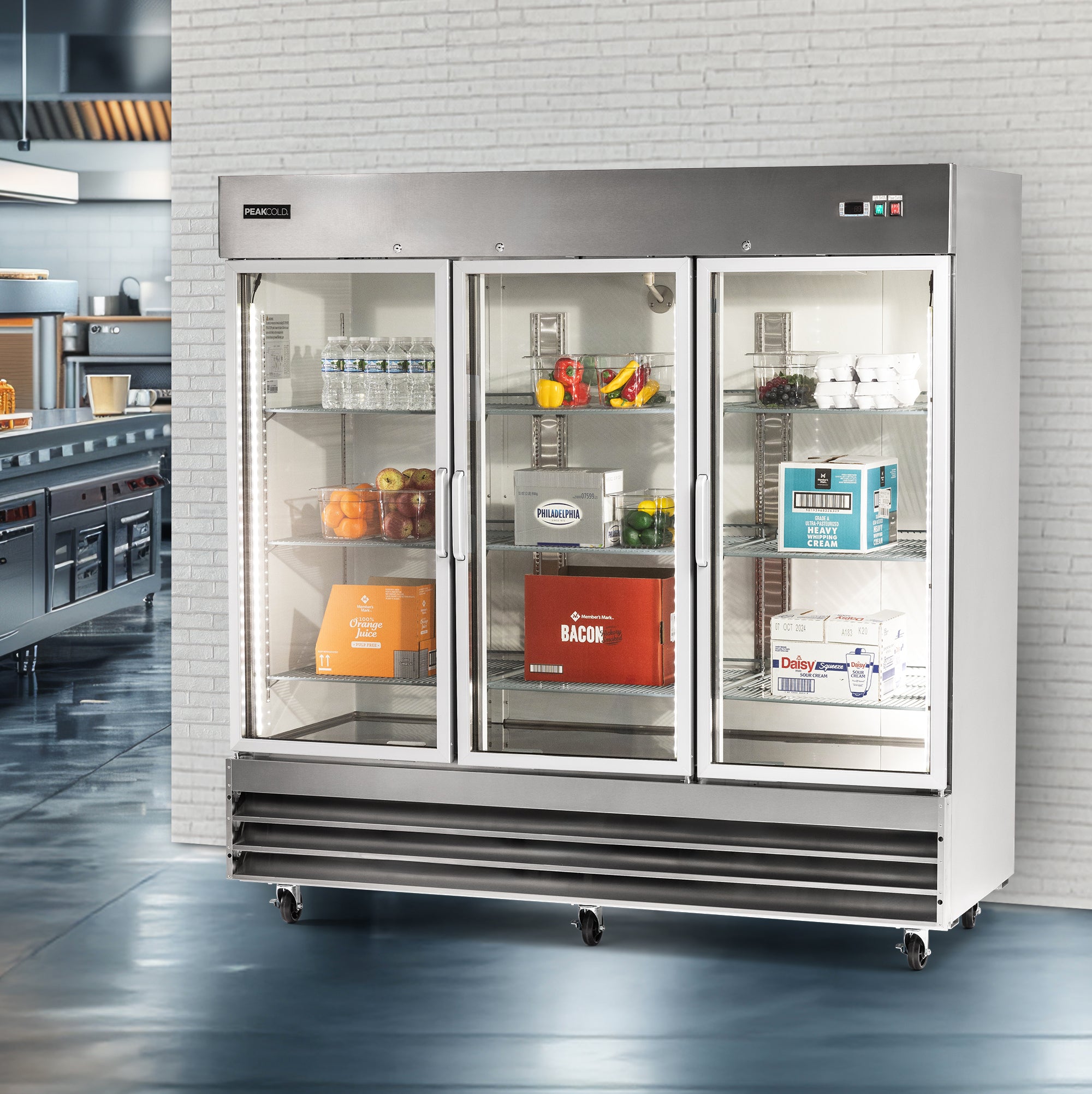


A well-organized commercial refrigerator isn’t just about keeping things neat – it can be a real game-changer when it comes to food safety, efficiency, and cost control. Commercial fridge organization in a busy restaurant, catering service, or grocery store helps prevent cross-contamination, cuts down on food waste, and particularly keeps daily operations running smoothly. Keeping everything properly stored and categorized makes a big difference. A cluttered fridge can lead to spoiled ingredients, wasted money, and overall unnecessary stress for the staff. However, when food is stored correctly, it stays fresh longer, prevents unnecessary waste, and keeps everything easily accessible for staff. An organized fridge also promotes better workflow, making it easier to restock and rotate ingredients without confusion. Put simply, a little organization can go a long way in keeping a commercial kitchen running smoothly.
Strategies for Maximizing Fridge Space
Maximizing your refrigerator space involves more than cramming items in; it’s about smart, safe, and accessible storage. These tips will help you master commercial fridge organization in order to promote better efficiency:
Best Practices for Organizing a Commercial Fridge
Great organization relies on the right tools and a strict adherence to procedure.
Essential Organization Tools
The right tools simplify your processes and maintain temperature consistency:
- Color-Coded Containers: Use different colors to clearly separate various food types, which is a powerful visual aid for preventing cross-contamination.
- Adjustable Shelving: Allows you to customize the layout to accommodate different container sizes and fluctuating inventory levels, making commercial fridge organization flexible.
- Wire or Clear Bins: Grouping items in transparent bins helps staff see stock levels at a glance.
- Flexible Labeling: Use magnetic labels or removable dividers that can be quickly changed as your seasonal inventory shifts.
The Role of Labeling & Stock Rotation
A consistent labeling and rotation system prevents spoilage and ensures compliance:
- Label Everything: Include expiration dates and batch/preparation dates on all items to accurately track shelf life.
- First In, First Out (FIFO): This is non-negotiable. Place older items (First In) at the front so they are used first (First Out). This dramatically cuts down on food waste.
- Allergy Safety: Clearly mark allergenic foods and consider designated storage areas to eliminate cross-contamination risks.
Food Safety Through Smart Layout
Proper commercial fridge organization is your first line of defense against foodborne illness. The layout of your fridge shelves also directly impacts safety by controlling where potential pathogens may spread.
The Safe Shelf-by-Shelf Layout
Follow this industry-standard hierarchy to minimize the risk of raw meat juices contaminating ready-to-eat foods:
Key Safety Practices
- Airtight Containers: Use them to prevent moisture and contamination spread between items.
- Temperature Control: Maintain consistent temperatures to keep perishable foods in a safe zone and inhibit bacterial growth.
Integrating Inventory Management
Efficient inventory management works hand-in-hand with commercial fridge organization to reduce waste and keep operations running smoothly.
The Power of Digital Systems
Modern kitchens benefit from digital inventory systems that streamline stock control:
- Real-Time Tracking: Use barcode scanning or RFID to get instant, accurate inventory updates, reducing manual errors.
- Automated Alerts: Receive notifications when items near expiration, helping staff prioritize usage and prevent waste.
- Remote Management: Allows managers to track stock and make informed purchasing decisions even off-site.
By implementing smart storage solutions, clear labeling, and an efficient shelf layout, your business can reduce waste, lower stress, and keep operations flowing safely and efficiently. Commercial fridge organization isn't a chore—it’s an investment in your kitchen's bottom line. If your current fridge is struggling to keep up, upgrading to a high-quality unit from Iron Mountain Refrigeration can make all the difference. We have a range of leading commercial refrigerators to choose from. Shop our commercial refrigerators online today!
Integrating Inventory Management
Efficient inventory management works hand-in-hand with commercial fridge organization to reduce waste and keep operations running smoothly.
The Power of Digital Systems
Modern kitchens benefit from digital inventory systems that streamline stock control:
- Real-Time Tracking: Use barcode scanning or RFID to get instant, accurate inventory updates, reducing manual errors.
- Automated Alerts: Receive notifications when items near expiration, helping staff prioritize usage and prevent waste.
- Remote Management: Allows managers to track stock and make informed purchasing decisions even off-site.
By implementing smart storage solutions, clear labeling, and an efficient shelf layout, your business can reduce waste, lower stress, and keep operations flowing safely and efficiently. Commercial fridge organization isn't a chore—it’s an investment in your kitchen's bottom line. If your current fridge is struggling to keep up, upgrading to a high-quality unit from Iron Mountain Refrigeration can make all the difference. We have a range of leading commercial refrigerators to choose from. Shop our commercial refrigerators online today!